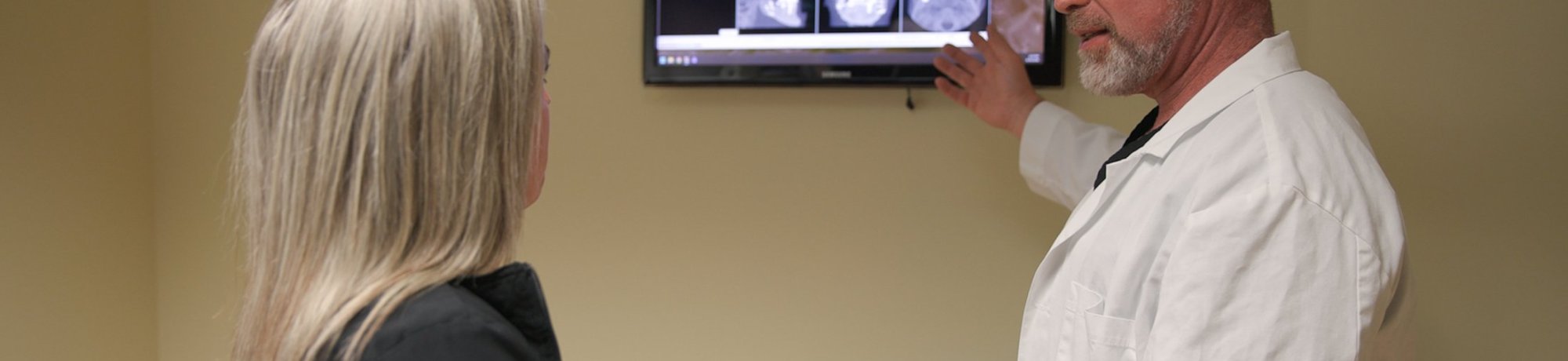
Bone Grafting in Auburn & Sumner
When teeth are missing for a long time, the jawbone in that area can shrink or weaken. This bone loss doesn’t just make it harder to place dental implants—it can also cause your remaining teeth to shift and even change the shape of your face over time.
Thankfully, modern dentistry offers an effective solution: bone grafting. This procedure helps rebuild and strengthen the bone where it’s needed, providing a foundation for placing implants that look, feel, and function like natural teeth. It can also restore your facial structure and overall oral health.
What Is Bone Grafting?
Bone grafting is a technique used to replace or regenerate bone that’s been lost due to tooth loss, gum disease, or other factors. When the bone in the jaw shrinks away, it may not be strong or thick enough to support a dental implant.
With a bone graft, we can place new bone material in the affected area, which encourages your body to grow fresh, healthy bone. This new bone provides the ideal foundation for future implants, helping to restore normal chewing function and appearance.
Call Molen Oral & Implant Surgery or schedule your consultation online. We're here to help every step of the way.
Expert Oral & Implant Surgery, Personalized for You
Common Reasons for Bone Grafting
Tooth Extractions
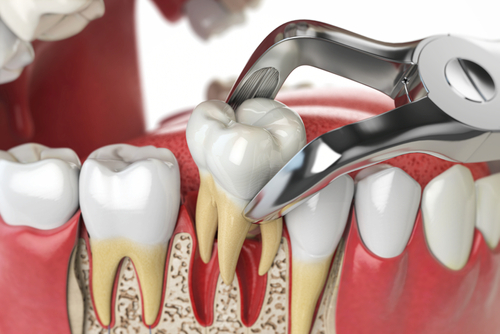
After a tooth is removed, the surrounding bone loses the stimulation it previously received from chewing. Without that activity, the bone can slowly break down. Over time, this bone loss can affect nearby teeth, making it difficult to replace the missing tooth with an implant.
Periodontal (Gum) Disease
Advanced gum disease damages the tissues that hold your teeth in place, including the bone underneath. As the infection progresses, it can cause teeth to loosen or even fall out. Bone grafting helps repair and rebuild the lost bone in these areas.
Dentures and Bridgework
Traditional dentures rest on top of the gums and don’t stimulate the jawbone. Without that stimulation, the bone can deteriorate, which is why dentures sometimes become loose or uncomfortable. Bridges can also contribute to bone loss in areas where no teeth are present to stimulate the bone’s activity.
Facial Trauma
Accidents, sports injuries, or broken teeth can all lead to bone loss in the jaw. Bone grafting helps restore damaged areas, making it possible to replace lost teeth and rebuild function.
Misalignment
When teeth don’t line up properly, some may not make contact with opposing teeth. This lack of contact means the bone underneath isn’t being used as it should be, which can lead to gradual bone loss.
Osteomyelitis
This is a bacterial infection that affects the bone and bone marrow, resulting in reduced blood flow and inflammation. Treatment often involves removing the infected bone and later rebuilding it with a graft.
Tumors
Both benign and malignant tumors in the jaw may require the removal of bone. Bone grafting plays an important role in reconstructing these areas and restoring normal function.
Congenital Deformities
Some people are born with missing portions of bone in the face or jaw. Bone grafting can help rebuild these areas to improve function and appearance.
Sinus Deficiencies
When upper molars are lost, the nearby sinus cavity can expand into the space, resulting in less bone available for implants. A procedure known as a sinus lift adds bone back to this area, making implants possible again.
Types of Bone Grafts
- Autogenous Bone Grafts (Autografts): This type uses bone from your own body, usually from the chin or jaw. Because it’s your own living bone, it integrates well and supports new growth, though it does require a second surgical site to collect the bone.
- Allogenic Bone Grafts: This bone is obtained from a donor and processed to ensure its safety for use. It doesn’t grow new bone on its own but acts as a framework for your body to build around. Healing can take longer than with your own bone.
- Xenogenic Bone Grafts: These grafts are derived from another species, typically a cow, and are processed to eliminate any risk of rejection. Like allogenic grafts, they provide a strong structure for your natural bone to grow into over time.
Bone Graft Alternatives
If you’d prefer not to use real bone, there are several synthetic options available that have been proven safe and effective:
- Demineralized Bone Matrix (DBM) / Demineralized Freeze-Dried Bone Allograft (DFDBA): Processed donor bone containing collagen and growth factors, available as powder, putty, or injectable gel.
- Graft Composites: These combine materials like collagen, ceramics, and bone marrow cells to encourage new bone formation.
- Bone Morphogenetic Proteins (BMPs): Natural proteins that stimulate the body to form new bone and speed up healing.
Synthetic materials have the advantage of eliminating the need for a second surgical site, reducing discomfort and shortening recovery time. Dr. Molen will recommend the best option for your specific situation.
Bone Grafting FAQs
What is recovery like?

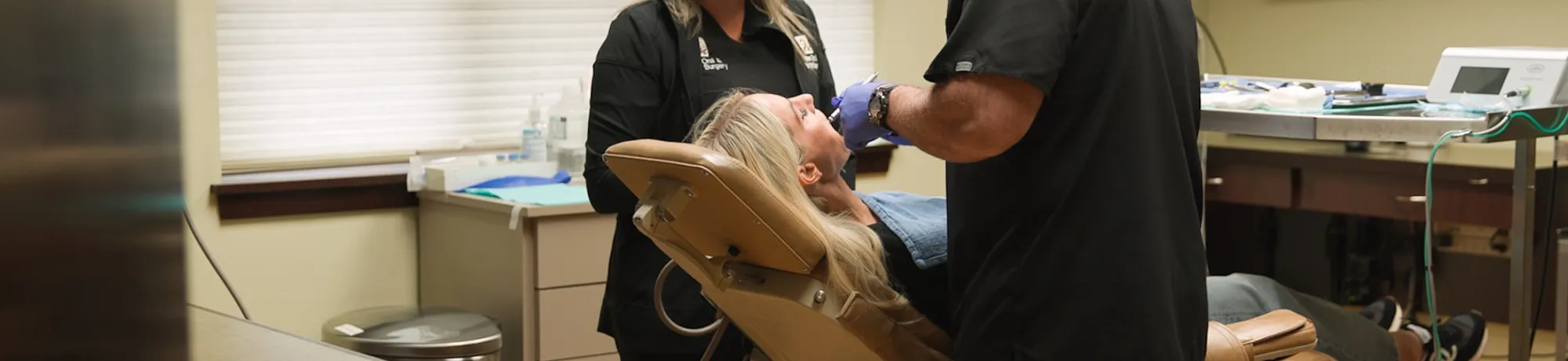
Mild tenderness and swelling are normal for a few days after the procedure. The surface heals quickly, but the bone underneath takes several months to fuse with your jaw fully. Once healed, we can move forward with implant placement.
What can I eat after surgery?
Stick to a soft diet for the first few weeks and avoid chewing directly on the graft site. Soups, smoothies, mashed potatoes, and scrambled eggs are all good choices.
Are there risks?
As with any surgical procedure, there’s a small risk of infection, nerve irritation, or the graft not healing properly—but these issues are rare.
How successful is bone grafting?
Dental bone grafting has a success rate of about 97%, making it one of the most reliable procedures in restorative dentistry.
Will I need bone grafting before implants?
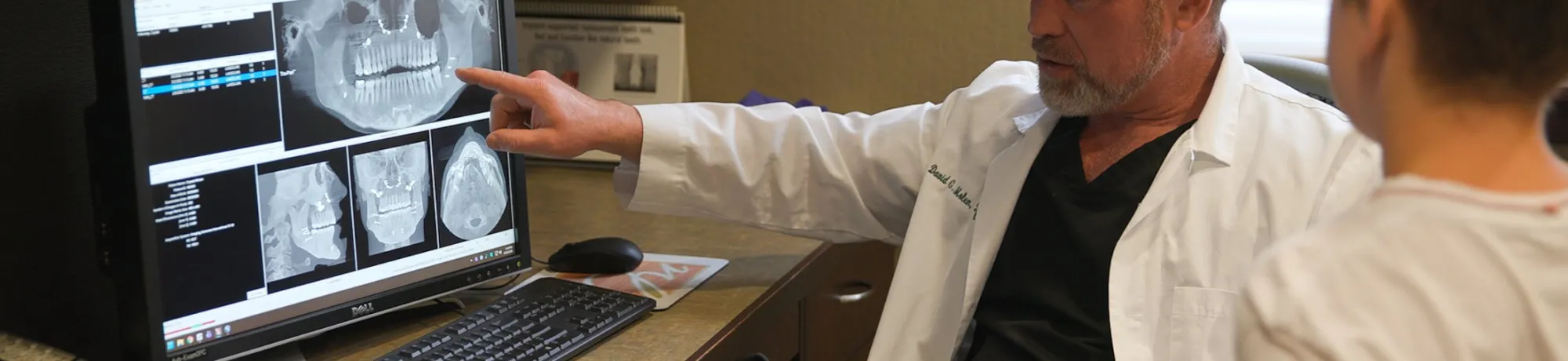
Not necessarily. If your bone is still strong and dense enough, you may not need a graft. However, if you’ve been missing teeth for a long time or have worn dentures, a bone graft is often recommended. Dr. Molen can assess your jaw and guide you during your consultation.
If you’ve been told in the past that you couldn’t get dental implants because of bone loss, bone grafting might change that. Contact Dr. Molen’s office at Auburn Office Phone Number 253-470-5020 to schedule your consultation and learn how this treatment can help you achieve a healthy, confident smile.