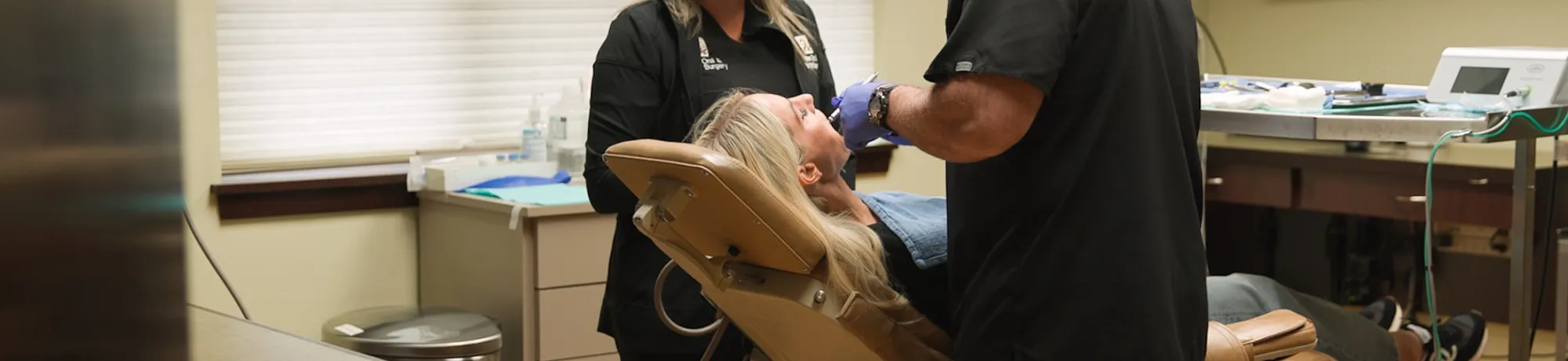
Impacted Canines Treatment in Auburn & Sumner, WA
Expert Treatment for Impacted Canine Teeth
Canine teeth, also called “eye teeth” or cuspids, play an important role in your smile, bite, and overall oral function. These teeth help guide your bite and support proper alignment of your other teeth. In some cases, a canine tooth does not properly erupt through the gums and becomes trapped beneath the gum tissue or inside the jawbone. This is known as an impacted canine.
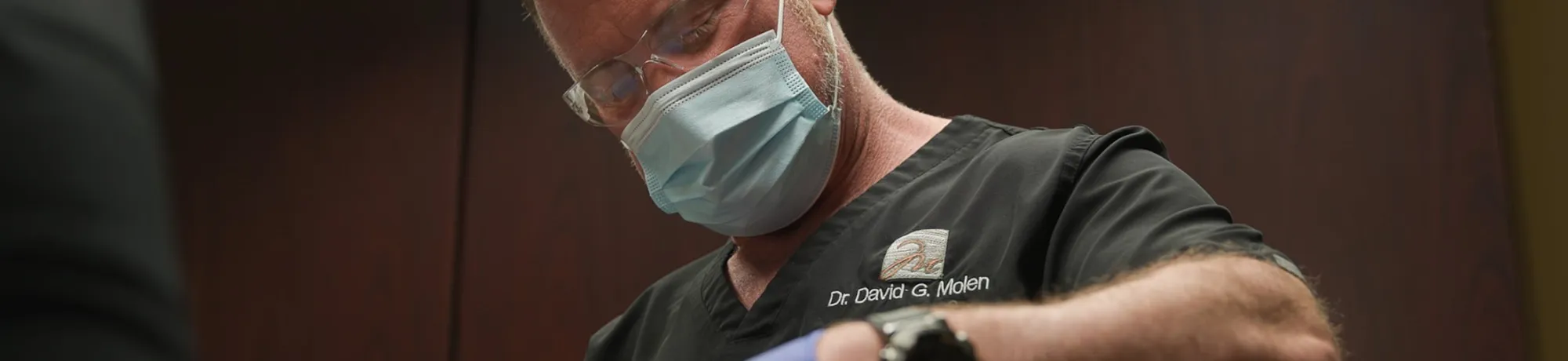
At Molen Oral and Implant Surgery, Dr. David G. Molen provides specialized surgical treatment for impacted canine teeth, helping patients restore proper tooth positioning and maintain a healthy, functional smile.
What Is an Impacted Canine Tooth?
An impacted canine occurs when the tooth is unable to move into its normal position in the mouth. Instead, it remains trapped under the gums or within the jawbone. Impacted canines are most commonly found in the upper jaw and are often discovered during routine dental exams or orthodontic evaluations.
Unlike wisdom teeth, which are frequently removed when impacted, canine teeth are important teeth that are typically preserved whenever possible. A coordinated approach between an orthodontist and oral surgeon can often help guide the impacted tooth into the correct position.
What Causes Impacted Canines?
Several factors may contribute to an impacted canine, including:
- Limited space in the dental arch
- Crowding of surrounding teeth
- Abnormal tooth positioning
- Early loss or retention of baby teeth
- Developmental factors affecting tooth eruption
Because impacted canines can affect surrounding teeth and your bite, early evaluation is important for determining the best treatment approach.
Signs You May Have an Impacted Canine
Many impacted canines do not cause noticeable symptoms, especially in younger patients. However, some possible signs include:
- A missing permanent canine tooth after the expected eruption age
- A baby tooth that remains in place longer than normal
- Crowding or shifting of nearby teeth
- Changes in your bite
- Discomfort or pressure in the gums
- A tooth that appears to be developing in the wrong position
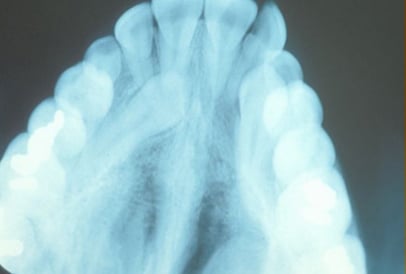
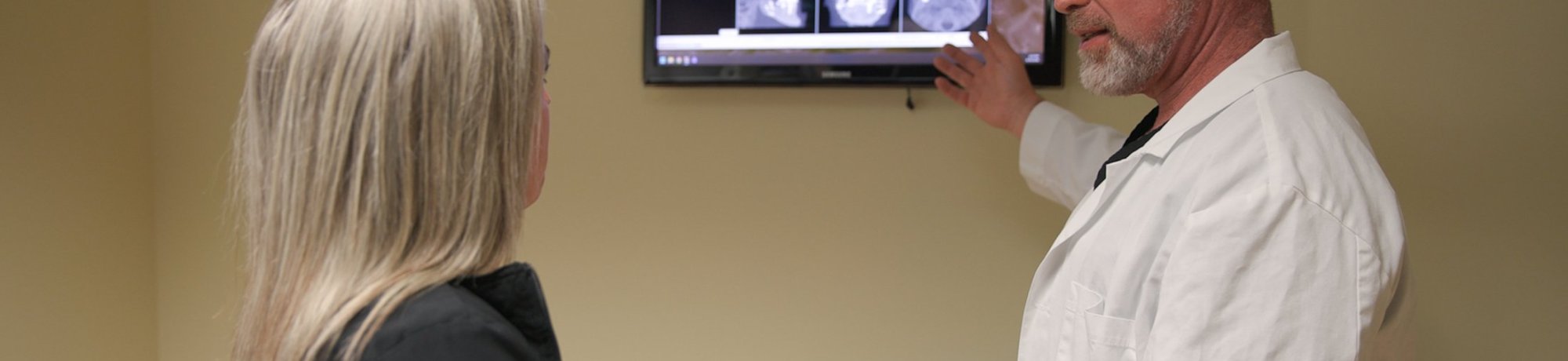
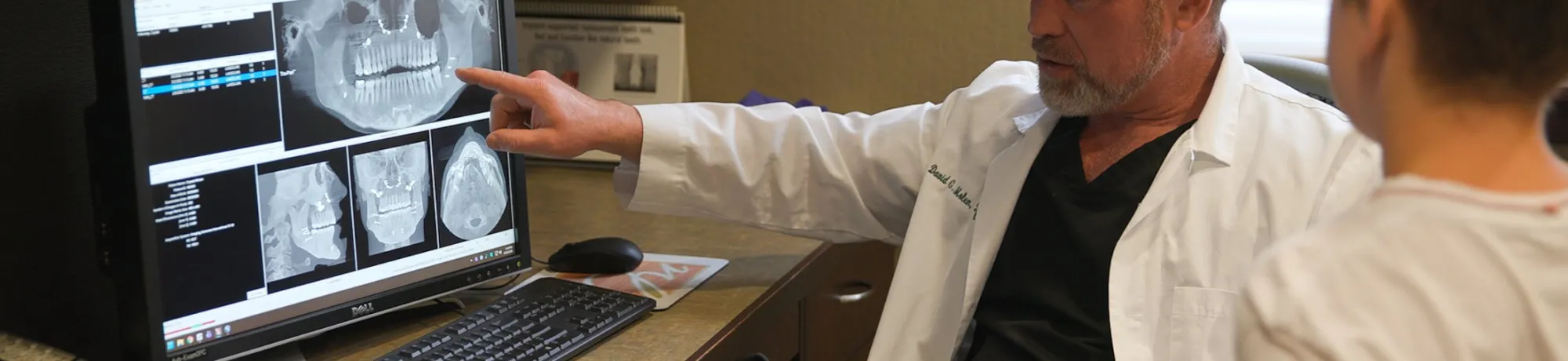
Your dentist or orthodontist may recommend imaging to determine whether a canine is impacted and how it is positioned.
Impacted Canine Exposure and Surgical Treatment
Treatment for impacted canines is typically planned with your orthodontist. The goal is often to expose the tooth and help guide it into its proper position using orthodontic treatment.
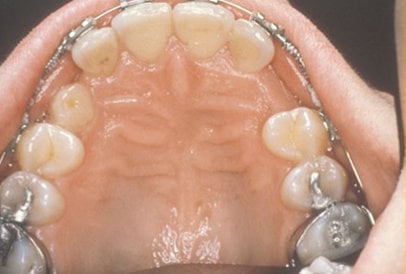
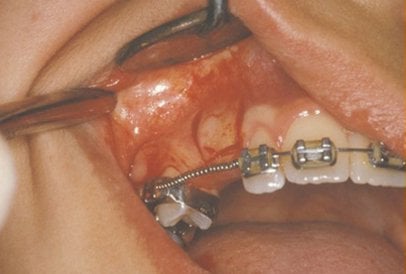
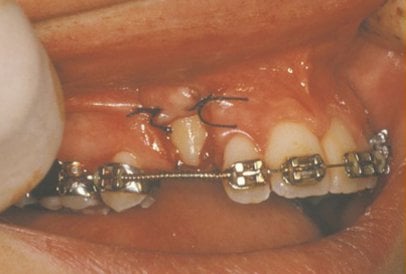
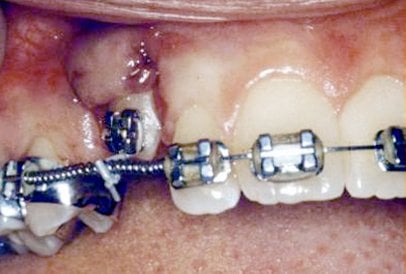
During an impacted canine exposure procedure, Dr. Molen carefully accesses the tooth through the gum tissue. Depending on the position of the tooth, a small attachment may be placed on the tooth so orthodontic treatment can gradually move it into alignment.
Treatment may involve:
- A consultation and detailed evaluation
- Dental imaging to locate the impacted tooth
- Surgical exposure of the canine
- Coordination with orthodontic treatment to guide eruption
Molen Oral and Implant Surgery provides oral surgery procedures focused on safe, precise treatment and patient comfort.
Why Treat an Impacted Canine?
Leaving an impacted canine untreated may contribute to future dental complications, including:
- Damage to nearby tooth roots
- Changes in tooth alignment
- Bite problems
- Cysts or other changes around the impacted tooth
- Difficulty maintaining proper oral health
Treating an impacted canine early can help protect surrounding teeth and improve long-term oral function.
Your Impacted Canine Consultation at Molen Oral and Implant Surgery
Every impacted canine case is unique. The position of the tooth, your age, orthodontic needs, and overall oral health all influence your recommended treatment plan.
Dr. Molen works closely with patients and their dental specialists to develop a personalized approach focused on preserving your natural tooth whenever possible.
If you or your child has an impacted canine, contact Molen Oral and Implant Surgery to schedule a consultation and learn more about your treatment options.
Frequently Asked Questions About Impacted Canines
What is an impacted canine?
An impacted canine is a tooth that does not fully erupt into the mouth and remains trapped under the gums or within the jawbone. Canine teeth are important for chewing function and guiding proper bite alignment.
Are impacted canine teeth common?
Yes. Canine teeth are among the teeth that can become impacted, especially the upper canine teeth. Many cases are discovered during orthodontic evaluations or routine dental imaging.
Can an impacted canine tooth be saved?
In many cases, an impacted canine can be preserved rather than removed. Treatment may involve surgical exposure followed by orthodontic movement to guide the tooth into its proper position.
What happens during impacted canine exposure surgery?
During the procedure, the gum tissue is gently opened to access the impacted tooth. A small orthodontic attachment may be placed so braces or orthodontic appliances can gradually guide the tooth into alignment.
Is impacted canine surgery painful?
Patients are kept comfortable during the procedure with appropriate anesthesia options. After surgery, some swelling, soreness, and tenderness are normal and can typically be managed with post-operative care instructions.
How long does it take for an impacted canine to move into place?
The timeline varies depending on the position of the tooth and the complexity of the case. Your oral surgeon and orthodontist will monitor progress throughout treatment.
At what age should impacted canines be treated?
Impacted canines are often evaluated during the teenage years when permanent teeth are expected to erupt. However, adults can also receive treatment depending on their individual situation.
Do impacted canines always need surgery?
Not every impacted canine requires the same treatment. Some cases may be monitored, while others may require orthodontic treatment and surgical exposure. A consultation and imaging are needed to determine the best option.
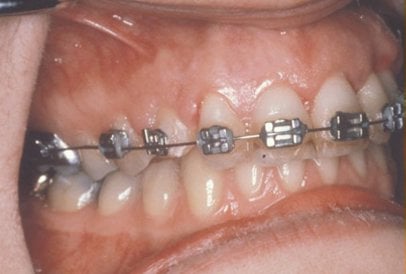
Exposure and Bracketing of an Impacted Cuspid