


Tooth Extractions in Auburn & Sumner
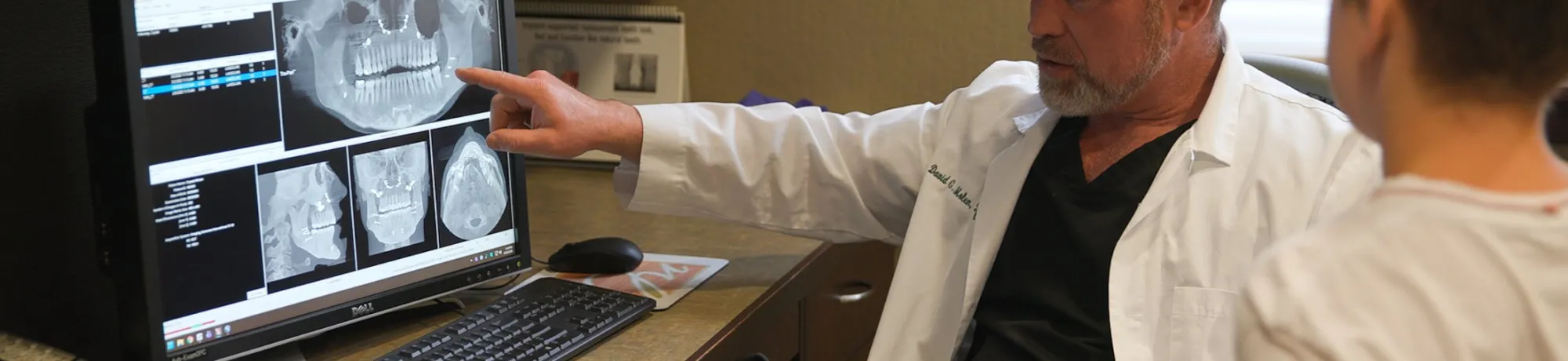
You, your dentist and Dr. Molen may determine that you need a tooth extraction for any number of reasons. Some teeth are extracted because they are severely decayed; others may have advanced periodontal disease, or have broken in a way that cannot be repaired. Other teeth may need removal because they are poorly positioned in the mouth (such as impacted teeth), or in preparation for orthodontic treatment.
The removal of a single tooth can lead to problems related to your chewing ability, problems with your jaw joint, and shifting teeth, which can have a major impact on your dental health.
To avoid these complications, in most cases, Dr. Molen will discuss alternatives to extractions as well as replacement of the extracted tooth.
Expert Oral & Implant Surgery, Personalized for You
Call Molen Oral & Implant Surgery or schedule your consultation online. We're here to help every step of the way.
The Tooth Extraction Process
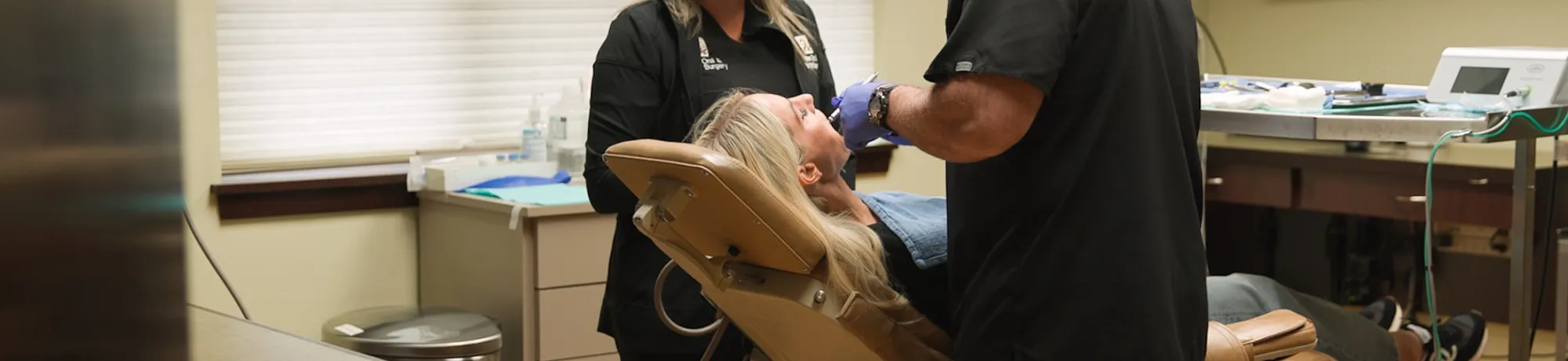
At the time of extraction the doctor will need to numb your tooth, jaw bone and gums that surround the area with a local anesthetic.
During the extraction process you will feel a lot of pressure. This is from the process of firmly rocking the tooth in order to widen the socket for removal.
You feel the pressure without pain as the anesthetic has numbed the nerves stopping the transference of pain, yet the nerves that transmit pressure are not profoundly affected.
If you do feel pain at any time during the extraction please let us know right away.
Sectioning a Tooth
Some teeth require sectioning. This is a very common procedure done when a tooth is so firmly anchored in its socket or the root is curved and the socket can’t expand enough to remove it. The doctor simply cuts the tooth into sections then removes each section one at a time.
After Tooth Extraction
For details on home care after tooth extraction, see the page “After Extractions” under “Surgical Instructions”.
Frequently Asked Questions About Tooth Extractions
When is a tooth extraction necessary?
A tooth extraction may be recommended if a tooth is severely decayed, damaged beyond repair, impacted, infected, or affected by advanced gum disease. Extractions are also sometimes needed to prepare for orthodontic treatment or dental implants.
Does a tooth extraction hurt?
Your comfort is our priority. The area will be completely numbed with local anesthesia before the procedure begins. While you may feel pressure during the extraction, you should not feel pain. Sedation options may also be available for anxious patients.
How long does it take to recover after a tooth extraction?
Most patients begin feeling better within a few days. Initial healing typically takes about one to two weeks, although the bone underneath may continue healing for several months. Following post-operative instructions carefully can help speed recovery.
What should I eat after a tooth extraction?
Stick to soft foods and plenty of fluids for the first few days. Foods like yogurt, applesauce, mashed potatoes, smoothies, soup, and scrambled eggs are good options. Avoid crunchy, spicy, or hard foods while the area heals.
What should I avoid after having a tooth removed?
Avoid smoking, drinking through a straw, vigorous rinsing, and strenuous exercise for the first several days after surgery. These activities can dislodge the blood clot and lead to complications such as dry socket.
What is dry socket?
Dry socket occurs when the protective blood clot becomes dislodged too early after an extraction, exposing the bone underneath. This can cause significant discomfort and delay healing. Following aftercare instructions carefully helps reduce the risk.
Will I need to replace my extracted tooth?
In many cases, replacing a missing tooth is recommended to prevent shifting teeth, bite problems, and jawbone loss. Depending on your needs, options may include dental implants, bridges, or dentures.
Can I drive myself home after a tooth extraction?
If you only receive local anesthesia, you can usually drive yourself home. However, if IV sedation or general anesthesia is used, you will need someone to drive you home after your appointment.
How do I reduce swelling after an extraction?
Applying an ice pack to the outside of your face during the first 24–36 hours can help minimize swelling. Keeping your head elevated while resting may also help reduce discomfort and inflammation.
Do you offer emergency tooth extractions?
Yes. Emergency tooth extractions may be necessary when a patient is experiencing severe tooth pain, swelling, infection, trauma, or a damaged tooth that cannot be saved. Our team understands that dental emergencies can happen unexpectedly and strives to provide prompt care to relieve discomfort and protect your oral health. If you are experiencing sudden pain or swelling, contact our office as soon as possible for guidance and scheduling.
When should I call the office after my extraction?
You should contact the office if you experience severe pain, excessive bleeding, prolonged swelling, signs of infection, or any unusual symptoms during recovery. Our team is here to help ensure your healing process stays on track.